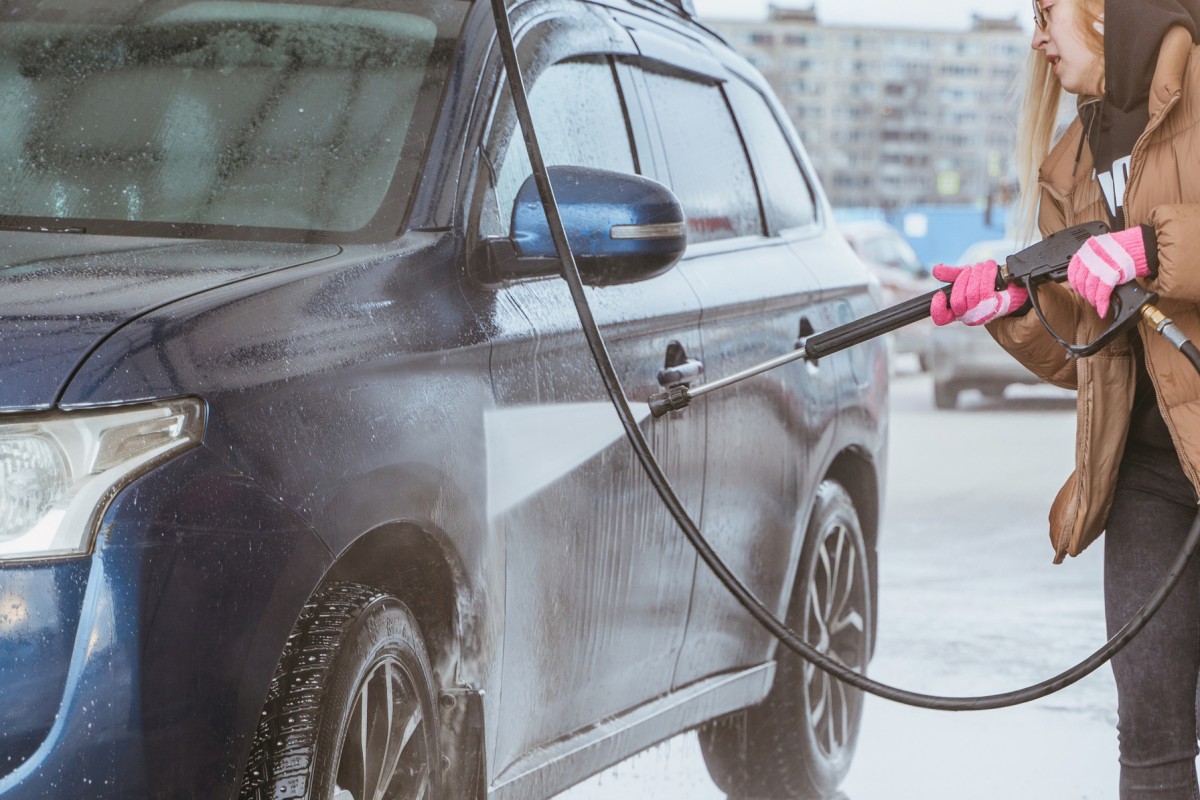
Winter weather can coat your vehicle surfaces–including those shiny rims–with drab gray film.
“November is a good time to prepare your vehicle’s exterior because you remove the dirt and contaminants that have built up throughout the year and address any existing paint or trim issues before the vehicle is exposed to freezing conditions,” said Kyle Kamas of Kyles Auto Detailing.
“Once salt, slush and road grime begin building up, keeping those contaminants off the paint and out of the vehicle’s hard-to-reach areas becomes much more difficult.”
Kamas has worked in the automotive detailing industry for 11 years. Based in Colorado, he has firsthand experience with the effects of winter weather on vehicle exteriors and understands why protecting vehicle surfaces before the season begins is important.
He specializes in removing embedded exterior contaminants, correcting paint imperfections and applying protective treatments that protect paint from winter contaminants.
Kamas recommended the following tips for protecting a vehicle’s exterior:
1.Give your vehicle a thorough pre-winter wash
Falling leaves, tree sap and other contaminants associated with autumn can accumulate on your vehicle’s exterior in the months leading up to winter.
A thorough wash is a first step before applying any protective product.
“Start with a full rinse before touching the paint. It’s important to remove loose dirt and grit before using a wash mitt on a vehicle’s exterior,” said Kamas.
“Small particles are like sandpaper when they are dragged across the paint and leave tiny scratches and dull the finish.”
Wash the vehicle thoroughly. Pay extra attention to the lower doors, rocker panels, bumpers, wheel wells, door jambs, trunk opening and behind the wheels.
2. Inspect the exterior for existing damage
Rock chips, scratches, peeling paint and damaged trim are easier to spot once a vehicle has been cleaned. It is important to identify these issues before the vehicle is exposed to moisture, road salts and other winter elements.
“After you wash the vehicle, walk around it in good light. Rock chips and scratches are much easier to spot when the surface is clean,” said Kamas.
Look for exposed metal, cracked plastic and deteriorating weatherstripping. Address these areas before winter, moisture, salt and slush work their way into gaps and seams.
3. Inspect for tar spots
Recently paved roads and construction zones can leave tar on your vehicle’s exterior.
Kamas offers this 6-step approach for tar removal:
- Wash and dry the vehicle to remove loose dirt and debris.
- Apply a tar removal product specifically designed for automobile surfaces.
- Focus on lower doors, rocker panels and behind the wheel wells.
- Wipe residue with a clean microfiber cloth. Avoid excessive scrubbing.
- Wash all treated areas again to remove tar or product residue.
- Follow the manufacturer’s directions for best results.
4. Check for tree sap
For tree residue, Kamas recommends applying an automotive-safe remover. He advises that it should be left for a few minutes to loosen the buildup rather than trying to scrape it from the paint.
“Once the sap softens, wipe it away with a clean microfiber towel. Repeat the process using light pressure on the paint. Excessive rubbing can drag loosened particles and cause tiny scratches and swirl marks.”
5. Apply paint protection before winter
Apply a quality wax, paint sealant or ceramic coating to build a barrier that protects the finish from winter contaminants.
Kamas suggests the following steps for effective results:
- Make sure the paint is free of dirt, residue and moisture before applying protection.
- Apply a layer using a microfiber applicator pad.
- Follow the manufacturer’s directions of how much product to use and apply on exterior.
- Allow product work for the amount of time specified by the manufacturer.
- Polish with a clean microfiber towel for a streak-free finish.
“Inspect the paint from different angles to make sure you have not left spots, streaks or missed areas,” said Kamas. “
“It’s much easier to correct any missed areas while you are still working rather than after the product has dried completely.”
Additional tips to protect your vehicle’s interior
- Inspect after washing. Look for chips, scratches, tar, sap and embedded contaminants before applying any protective product.
- Check the windshield. Have all chips or cracks assessed and repaired before freezing conditions arrive.
- Clean hidden areas. Remove dirt and moisture from door jambs, trunk, mirrors, badges and under the hood before cold temperatures make those areas harder to clean.
- Remove bird droppings. Clean the acidic deposits off the paint to avoid stain and surface damage.
- Avoid parking under trees. Autumn leaves and sap can etch into a vehicle’s exterior and cause paint damage.
- Rinse the underside. Give the undercarriage a thorough rinse before winter to remove dirt and debris that can be later exposed to road salt and deicing chemicals.
- Clear drainage areas. Remove trapped autumn leaves and debris from drain channels, cowl panels and hard-to-reach openings before winter precipitation.
- Choose covered parking. If possible, park in a garage or under a carport to reduce your vehicle’s exposure to falling leaves, tree sap and early frost.
- Store cleaning supplies. Dirty microfiber towels, wash mitts and detailing brushes can transfer grit back to the exterior surface and leave scratches.
- Keep winter tools handy. Have a snow brush and ice scraper ready before the first winter storm to clear snow and ice without damaging your vehicle’s exterior.